India Faces Liquidity Crunch and Inflation Risk: Why March 24, 2026 Could Be a Turning Point for Markets
India’s Financial System Enters a Critical Phase
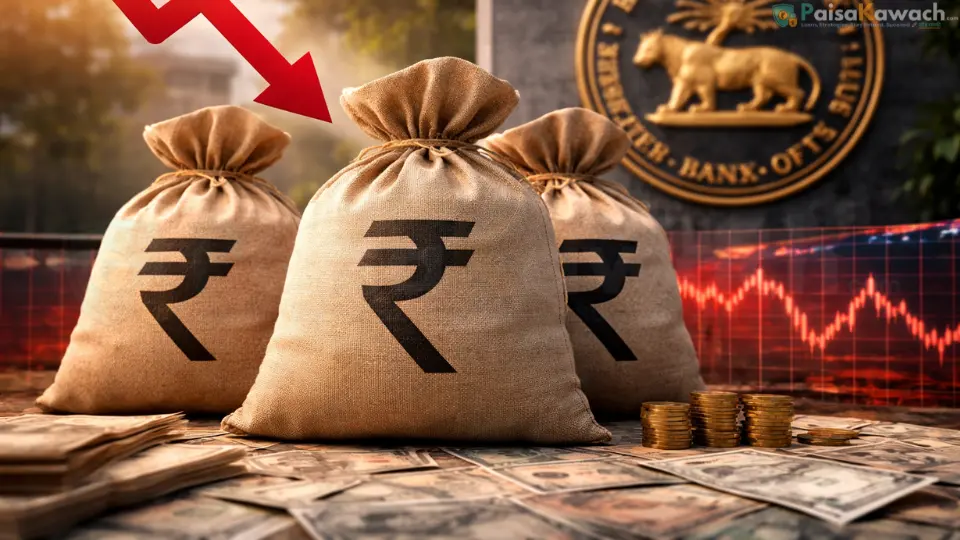
March 24, 2026, marks a crucial moment for India’s financial ecosystem as multiple macroeconomic pressures converge at once. The banking system is facing its first significant liquidity deficit of the year, inflation risks are rising due to global geopolitical tensions, and market volatility remains elevated. Together, these factors are shaping a complex environment for policymakers, investors, and businesses.
While India’s long-term growth story remains intact, the short-term outlook is becoming increasingly uncertain. A combination of domestic liquidity tightening and global risk factors is forcing market participants to reassess expectations for interest rates, credit growth, and equity market performance.
Liquidity Deficit: What’s Happening and Why It Matters
India’s banking system has slipped into a liquidity deficit estimated at nearly ₹65,000–₹70,000 crore. This shift is significant because, for most of the past year, the system had enjoyed surplus liquidity conditions that supported credit expansion and stable interest rates.
The primary drivers behind this deficit include:
- Large GST and advance tax outflows from corporates
- RBI’s intervention in the foreign exchange market to stabilize the rupee
- Seasonal tightening of liquidity towards the end of the financial year
As a result, short-term borrowing costs have risen, with overnight rates moving above the Reserve Bank of India’s policy rate. This is a clear signal that liquidity in the system has tightened beyond comfortable levels.
Snapshot: India’s Macro Stress Signals (March 2026)
- Banking system liquidity deficit: ~₹65,000+ crore
- Short-term rates above RBI policy rate
- Rising crude oil prices amid geopolitical tensions
- Equity markets witnessing sharp volatility
- Inflation risks flagged by RBI
Rising Inflation Risk: The Oil Factor
One of the biggest concerns flagged by the Reserve Bank of India is the rising risk of inflation. The primary trigger is the surge in crude oil prices, driven by escalating tensions in the Middle East. As a major importer of crude oil, India is highly sensitive to global price movements.
Higher oil prices have a cascading effect on the economy:
- Increased fuel costs raise transportation expenses
- Higher logistics costs impact food and essential goods
- Corporate margins come under pressure
- Consumer spending may weaken
If oil prices remain elevated, inflation could stay above the RBI’s comfort zone, potentially delaying any interest rate cuts that markets had been anticipating.
Impact on Equity Markets and Investor Sentiment
The Indian stock market has already begun reacting to these macro pressures. Recent sessions have seen sharp declines in benchmark indices, with the Sensex and Nifty falling significantly amid global and domestic concerns.
Market sentiment is currently driven by three key factors:
- Global risk-off environment due to geopolitical tensions
- Foreign institutional investor (FII) outflows
- Uncertainty around interest rates and inflation trajectory
Banking and financial stocks, which are highly sensitive to liquidity and interest rate movements, have come under particular pressure. At the same time, sectors like IT and pharma have shown relative resilience due to their global exposure and defensive characteristics.
According to Reuters, tightening liquidity and rising oil prices are key factors influencing market volatility in India, with investors closely tracking RBI’s next move.
What This Means for Businesses and Credit Growth
Liquidity conditions directly affect the availability and cost of credit in the economy. When liquidity tightens, banks become more cautious in lending, and borrowing costs for businesses can rise.
This has several implications:
- Slower credit growth for businesses and consumers
- Higher interest costs for companies
- Potential delay in investment and expansion plans
- Impact on sectors dependent on financing, such as real estate and infrastructure
For small and medium enterprises (SMEs), which rely heavily on bank financing, tighter liquidity conditions can be particularly challenging.
Policy Response: Will RBI Step In?
The Reserve Bank of India now faces a delicate balancing act. On one hand, it needs to manage liquidity to ensure smooth functioning of the financial system. On the other hand, it must remain cautious about inflation risks.
Possible policy responses include:
- Open Market Operations (OMO) to inject liquidity
- Variable rate repo operations
- Maintaining or delaying rate cuts depending on inflation trajectory
Market participants are closely watching for any signals from the RBI regarding its next steps. A timely intervention could stabilize liquidity and improve sentiment.
Global Context: Why External Factors Matter
India’s current situation cannot be viewed in isolation. Global developments are playing a significant role in shaping domestic outcomes. Rising geopolitical tensions, particularly in the Middle East, have led to higher oil prices and increased uncertainty in global markets.
Additionally, central banks in developed economies, especially the US Federal Reserve, continue to influence global liquidity conditions. A hawkish stance globally can lead to capital outflows from emerging markets like India.
This interconnectedness means that India’s markets are not just reacting to domestic factors but also to broader global trends.
What Should Investors Watch Next?
In the coming weeks, several key indicators will determine the direction of markets:
- Movement in crude oil prices
- RBI’s liquidity management actions
- Inflation data releases
- FII investment trends
- Corporate earnings outlook
Investors are advised to remain cautious and focus on fundamentally strong companies. Volatility may persist in the short term, but long-term opportunities could emerge as markets adjust to new realities.
Conclusion: A Defining Moment for Markets
The convergence of liquidity tightening, inflation risks, and global uncertainty makes March 24, 2026, a defining moment for India’s financial markets. While the current environment presents challenges, it also offers valuable insights into the resilience of the Indian economy.
For policymakers, the focus will be on maintaining stability without compromising growth. For investors, the key lies in navigating volatility with discipline and a long-term perspective.
As the situation evolves, the actions taken in the coming weeks could set the tone for India’s economic and market trajectory for the rest of the year.
Keep Reading: More Insights You Might Like
 Nifty 50 and Sensex Pre-Market Outlook for March 23, 2026 — Geopolitical Pressure, FII Selling, and a Cautious Range-Bound Session Ahead
Next →
Nifty 50 and Sensex Pre-Market Outlook for March 23, 2026 — Geopolitical Pressure, FII Selling, and a Cautious Range-Bound Session Ahead
Next →
 India Pre-Market Outlook for 25 March 2026: Global Cues Mixed, Range-Bound Setup Expected
Comments
No comments yet. Be the first to comment!