India Rewrites Strategy Amid Rising U.S. Tariffs: GST Rollback and Global Diversification in Focus
India Faces Rising U.S. Tariffs
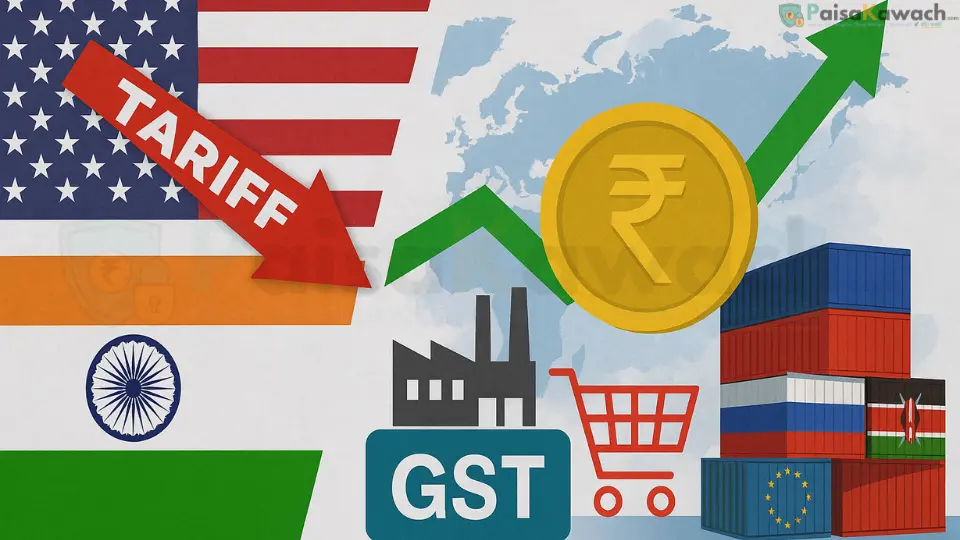
The ongoing trade standoff between the United States and India has intensified, with Washington imposing tariffs of up to 50% on Indian goods. This move has put pressure on exporters in key sectors such as textiles, engineering goods, and pharmaceuticals. For India, the stakes are high—exports to the U.S. remain a major revenue source, and steep tariff barriers risk denting competitiveness.
GST Reforms to Cushion the Blow
To offset the external shock, India has announced domestic tax reforms under GST 2.0. Essentials like food, healthcare, and basic services have been shifted to a lower tax slab, while insurance premiums now enjoy exemptions. The government hopes this rollback will increase household disposable income and stimulate domestic consumption—helping industries dependent on internal demand navigate turbulent export conditions.
Key Changes Under GST 2.0
- 5% GST on essentials such as food, medicines, and utilities.
- 18% standard rate for most goods and services.
- 40% GST on luxury items to compensate for reduced revenues.
- Tax exemption on life and health insurance premiums.
Diversifying Export & Diplomatic Ties
Recognizing the risks of overdependence on the U.S., India is fast-tracking efforts to diversify trade and diplomatic partnerships. Engagements with Russia, Southeast Asia, and African economies have intensified, while closer coordination with China on select manufacturing ecosystems is under discussion.
India is also negotiating preferential trade agreements with Gulf nations to secure energy stability and broader market access. At the same time, partnerships with the European Union are being revived, with discussions around a long-delayed Free Trade Agreement gaining traction.
Impact on Indian Industries
While tariffs create near-term headwinds, certain sectors stand to benefit from domestic-focused reforms:
- FMCG & Retail: Expected to gain from rising consumer demand due to lower GST on essentials.
- Textiles & Apparel: Short-term pain due to export slowdown, but relief from domestic sales support.
- Pharmaceuticals: Tariffs impact exports, but India is pivoting to boost shipments to Latin America and Africa.
- Energy & Infrastructure: Continued policy support and bilateral energy deals to reduce vulnerabilities.
Analyst Outlook
Conclusion
India’s economic strategy is undergoing a reset in response to rising U.S. tariffs. By combining domestic tax relief with a push for global diversification, the country is attempting to safeguard growth and resilience. The coming months will test whether these measures can truly insulate the Indian economy from external shocks, or if deeper structural reforms will be needed.
Keep Reading: More Insights You Might Like
 Stock Market on Edge: Nifty 50’s 25,000 Barrier Could Trigger Big Crash or Breakout
Next →
Stock Market on Edge: Nifty 50’s 25,000 Barrier Could Trigger Big Crash or Breakout
Next →
 Elon Musk’s $1 Trillion Tesla Pay Package Shakes Global Markets
Comments
No comments yet. Be the first to comment!