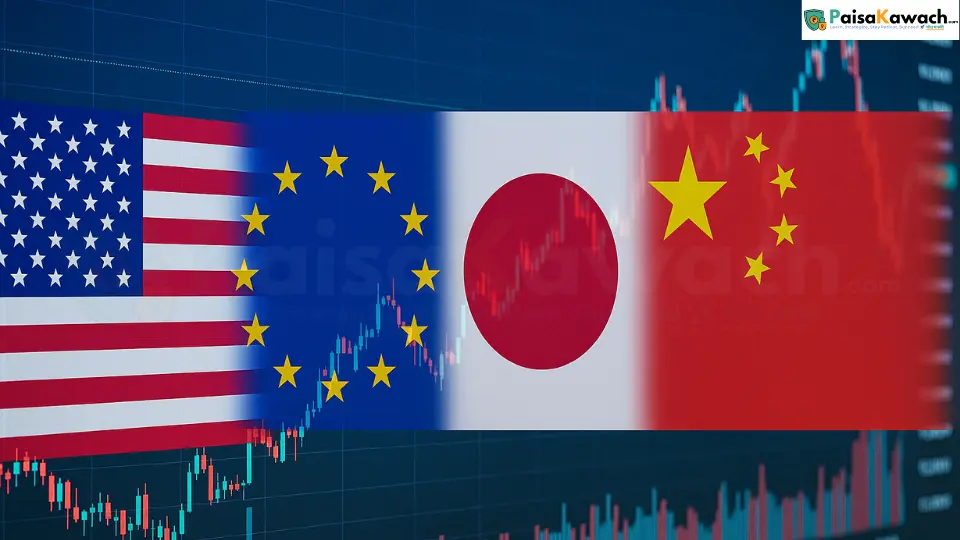
India–U.S. Interim Trade Framework Signals Reset in Bilateral Trade Ties
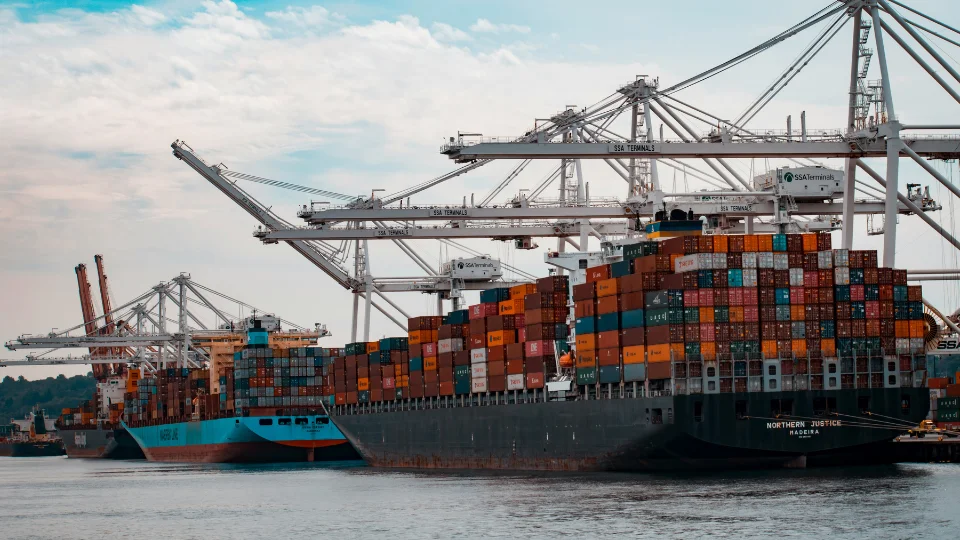
India and the United States have taken a significant step toward stabilising and reshaping their trade relationship with the announcement of an interim bilateral trade framework. The agreement, revealed on Friday, reflects a shared intent to reduce friction in cross-border commerce while laying the groundwork for a broader and more comprehensive trade pact.
At a time when global trade is increasingly shaped by supply chain realignments and geopolitical considerations, the framework underscores the strategic importance both nations place on their economic partnership. The move is being closely watched by businesses, exporters, and investors on both sides.
Understanding the Interim Trade Framework
The newly announced framework is not a full-fledged free trade agreement but a transitional arrangement designed to address immediate trade concerns. It focuses on lowering selected tariffs, improving mutual market access, and creating structured mechanisms to resolve non-tariff barriers.
According to official briefings, India has agreed to reduce duties on a range of U.S. industrial and agricultural products. In return, the United States will apply an 18% reciprocal tariff on several Indian goods, with a clear roadmap to phase out these tariffs on key exports as implementation milestones are met.
Trade Framework Snapshot
- Interim bilateral trade arrangement between India and the United States
- Targeted tariff reductions on industrial and agricultural goods
- 18% reciprocal U.S. tariff on select Indian products, with phase-out plans
- Focus on supply chain resilience and non-tariff barrier resolution
- Foundation for a future comprehensive trade agreement
Why This Deal Matters Now
The timing of the framework is critical. Both economies are navigating global uncertainty, slowing demand in key markets, and rising protectionist tendencies worldwide. By opting for an interim framework, India and the U.S. are signalling flexibility and pragmatism rather than allowing negotiations to stall.
Trade experts note that such transitional agreements often help build confidence and momentum. According to BBC, interim trade frameworks have increasingly been used by major economies as confidence-building tools ahead of more ambitious trade negotiations.
Impact on Businesses and Investors
For Indian exporters, the framework offers clarity and predictability, even with the temporary 18% reciprocal tariff. Sectors such as engineering goods, pharmaceuticals, and select agricultural exports are expected to benefit once phased tariff reductions come into effect.
U.S. companies, particularly in agri-products and industrial manufacturing, stand to gain from improved access to the Indian market. The emphasis on addressing non-tariff barriers is also expected to reduce compliance costs and delays for multinational firms.
Market Insight: Analysts view the framework as trade-positive in the medium term, with short-term adjustments offset by longer-term export stability and improved bilateral trust.
How It Compares with Other Trade Arrangements
Unlike comprehensive free trade agreements signed by the U.S. with countries such as South Korea or Mexico, this framework is narrower in scope. However, it mirrors recent U.S. trade engagements that prioritise supply chain security and strategic sectors over blanket tariff elimination.
For India, the approach aligns with its recent trade strategy—pursuing selective, outcome-driven agreements rather than broad, all-encompassing deals that take years to finalise.
What to Watch Next
The success of the interim framework will depend heavily on implementation timelines and the pace at which tariff phase-outs are executed. Stakeholders will be closely monitoring joint working groups tasked with resolving non-tariff barriers and supply chain issues.
Officials from both countries have indicated that progress under this framework could accelerate negotiations toward a comprehensive trade agreement, potentially covering services, digital trade, and investment protection.
For now, the framework marks a clear signal: India and the United States are committed to recalibrating their trade relationship in a more cooperative and forward-looking direction.
Keep Reading: More Insights You Might Like
 RBI Policy Watch: Markets Turn Cautious as Investors Await Rate Decision, Rupee Stays Range-Bound
Next →
RBI Policy Watch: Markets Turn Cautious as Investors Await Rate Decision, Rupee Stays Range-Bound
Next →
 Tata Steel Q3 Results: Net Profit Jumps Over 700% as Earnings Surprise the Street
Comments
No comments yet. Be the first to comment!