Japan’s $550 Billion Investment Deal with the U.S. Marks Historic Shift in Global Trade
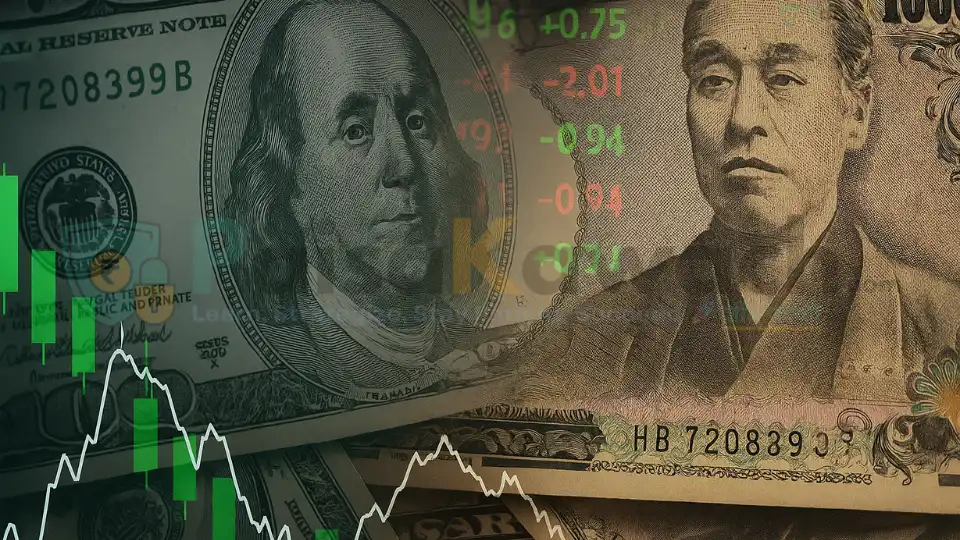
On August 26, 2025, U.S. Commerce Secretary Howard Lutnick confirmed that Japan’s promised $550 billion investment package will be finalized this week, cementing one of the largest foreign investment commitments in American history. This deal, born out of negotiations in July, links investment inflows with tariff concessions, setting the stage for a new era in U.S.–Japan economic cooperation.
The White House has positioned the agreement as a tool to strengthen domestic manufacturing and enhance industrial resilience, while Tokyo sees it as a safeguard to protect its export-driven economy amid shifting global trade dynamics.
Key Features of the Investment Package
- Scale: A record-breaking $550 billion pledged by Japanese institutions.
- Structure: Primarily government-backed loans and guarantees, with a smaller equity component.
- Target Sectors: U.S. energy, semiconductors, pharmaceuticals, critical minerals, and shipbuilding.
- Strategic Partners: Key Japanese entities like the Japan Bank for International Cooperation (JBIC) and Nippon Export and Investment Insurance (NEXI) will facilitate the package.
Tariff Adjustments and Trade Balance
In return for this unprecedented commitment, the U.S. agreed to lower tariffs on Japanese goods. The baseline tariff rate was reduced to 15%, while the steep duty on Japanese automobile imports was cut from 25% to 15%. This adjustment provides relief for major Japanese automakers like Toyota and Honda, who have been under pressure from U.S. trade policies.
Points of Contention
While Washington emphasizes legally binding oversight of funds, Tokyo prefers a non-binding framework that maintains flexibility. Japanese negotiators also highlighted that profit-sharing terms apply only to the equity portion of the deal, not the entire $550 billion, ensuring Japanese interests remain protected.
Market and Corporate Reactions
The announcement has already stirred global markets. U.S. indices gained momentum on hopes of industrial revitalization, while Japanese stocks rallied, particularly in the automotive and tech sectors. However, mixed signals remain—Toyota has cut its profit forecast citing tariff uncertainty, while Sony and Honda revised their outlooks upward, showing uneven impacts across corporate Japan.
Implications for Global Supply Chains
The deal underscores a broader push by the U.S. to reduce dependency on Chinese supply chains and strengthen alliances with trusted partners. For Japan, it ensures continued access to the American market, while enabling co-financing of semiconductor ventures, including those involving Taiwanese manufacturers setting up facilities in the U.S.
What’s Next?
As Japanese envoy Ryosei Akazawa heads to Washington this week, the focus will be on finalizing the deal’s binding terms. Both sides face the delicate challenge of turning broad pledges into practical commitments. If executed effectively, this agreement could become a template for large-scale strategic trade partnerships worldwide.
Keep Reading: More Insights You Might Like
 Nifty 50 Outlook for August 26, 2025: Key Levels to Watch as Market Seeks Direction
Next →
Nifty 50 Outlook for August 26, 2025: Key Levels to Watch as Market Seeks Direction
Next →
 Trump’s Attempt to Fire Fed Governor Sparks Global Market Fears
Comments
No comments yet. Be the first to comment!