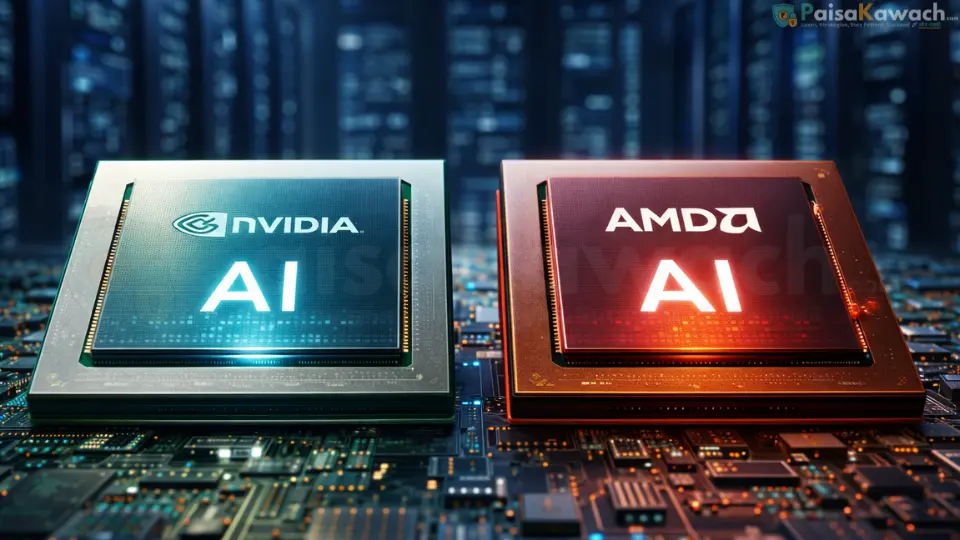
Semiconductor Power Shift: Micron Expands Chip Manufacturing With $1.8 Billion Taiwan Deal
Context: What Happened and Why It Matters
Global semiconductor supply chains are entering a decisive phase as Micron Technology announced a $1.8 billion acquisition of a semiconductor fabrication facility in Taiwan on January 19, 2026. The move strengthens Micron’s control over memory chip production at a time when demand from artificial intelligence, cloud computing, and data centers is accelerating worldwide.
The deal reflects a broader industry shift where manufacturing capacity has become a strategic asset, not merely an operational requirement. As memory chips grow increasingly central to AI infrastructure, companies with secure and scalable production capabilities are gaining a competitive edge.
Deal Snapshot
- Buyer: Micron Technology
- Asset: Semiconductor fabrication plant in Taiwan
- Deal Value: $1.8 billion
- Core Focus: DRAM and NAND memory manufacturing
- Strategic Goal: Capacity expansion and supply-chain control
Why Taiwan Remains Central to Chip Manufacturing
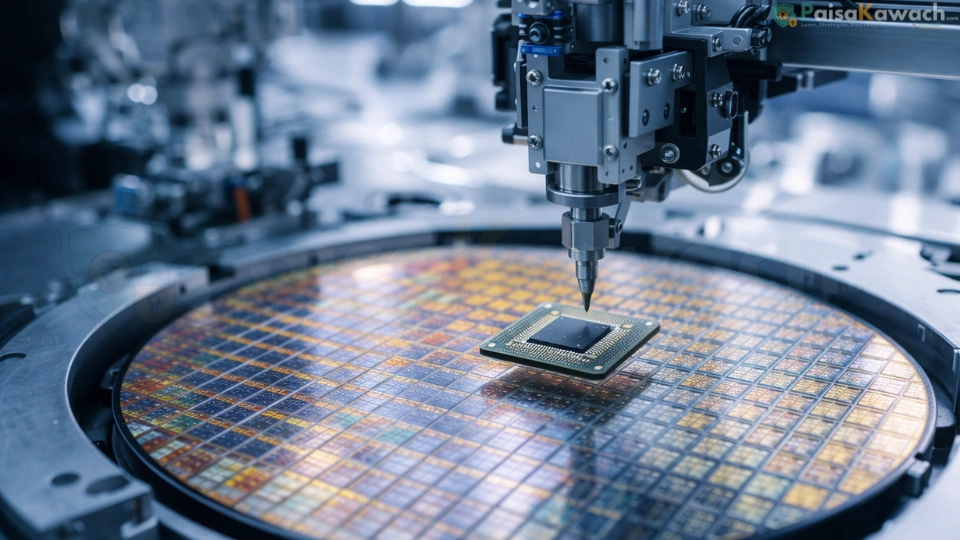
Taiwan continues to play a pivotal role in the global semiconductor ecosystem due to its advanced manufacturing expertise and established infrastructure. By acquiring a facility previously operated by Powerchip Semiconductor, Micron gains immediate access to operational capacity without the long lead times associated with building a new fabrication plant from scratch.
This approach allows Micron to respond faster to customer demand while reducing reliance on third-party manufacturing partners.
Impact on the Semiconductor Sector
The transaction reinforces a growing trend within the global semiconductor industry: vertical integration. Memory chips, once viewed as cyclical commodities, are now treated as strategic resources tied closely to national competitiveness and digital infrastructure.
Other chipmakers may face pressure to expand capacity, pursue acquisitions, or secure long-term supply agreements as competition intensifies.
What This Means for Investors and Markets
For investors, Micron’s acquisition signals confidence in sustained long-term demand for memory chips. While the deal increases capital expenditure in the near term, it may support margin stability and pricing power if supply remains tight amid rising AI adoption.
According to BBC, global demand for semiconductors linked to artificial intelligence and data infrastructure is expected to grow steadily through the second half of the decade, reshaping investment priorities across the tech sector.
Peer Comparison: How Rivals Are Responding
Micron’s move mirrors broader industry actions, with other global chipmakers increasing investments in fabrication capacity across Asia and the United States. Competitors focusing on outsourced manufacturing may find themselves at a disadvantage if capacity constraints persist.
What to Watch Next
Market participants will closely monitor how quickly Micron integrates the new facility and ramps up production. Future indicators include supply agreements with hyperscale data centers, pricing trends in memory markets, and additional capacity investments by rivals.
As AI continues to reshape computing needs, control over semiconductor manufacturing is emerging as a defining factor in long-term industry leadership.
Keep Reading: More Insights You Might Like
 Indian Stock Market Today: Global Cues Signal Cautious Start on January 19, 2026
Next →
Indian Stock Market Today: Global Cues Signal Cautious Start on January 19, 2026
Next →
 SEBI Proposes “Significant Indices” Framework to Strengthen Governance of Market Benchmarks
Comments
No comments yet. Be the first to comment!