Middle East Conflict Raises Economic Risks for India as Oil, Trade, and Remittances Face Pressure

The escalating conflict in the Middle East involving Iran and the U.S.–Israel alliance is emerging as a significant macroeconomic risk for India. The region holds strategic importance for the Indian economy due to its role in energy supplies, trade routes, and remittance flows from Indian workers employed across Gulf nations.
With tensions intensifying and global oil prices climbing, policymakers and financial markets in India are closely monitoring developments that could influence inflation, currency stability, and economic growth.
Snapshot: Why the Middle East Conflict Matters for India
- Middle East supplies a major share of India’s crude oil imports
- Millions of Indian workers in Gulf countries send critical remittances
- Trade routes and exports depend heavily on regional stability
- Rising oil prices increase inflation and fiscal pressure
Oil Supply Risks Could Drive Inflation
India imports a large portion of its crude oil requirements from the Middle East, making the economy highly sensitive to supply disruptions or price spikes. Geopolitical tensions have already pushed global oil prices higher, increasing the country’s import bill and raising concerns over inflationary pressures.
According to Reuters, the region accounts for around 55% of India’s oil supply, making the conflict particularly significant for India’s macroeconomic stability. Higher oil prices can ripple through the economy by increasing transportation costs, fuel prices, and industrial input expenses.
Trade and Export Channels Also at Risk
Beyond energy dependence, the Middle East is a key destination for Indian exports and a critical logistics hub for global trade routes. Escalating conflict has already begun disrupting shipping lanes and increasing freight costs, affecting exporters in sectors such as textiles, electronics, agriculture, and gems and jewellery.
Some export shipments are already facing delays due to rising freight charges and uncertainty in shipping routes connected to the Gulf region. These disruptions could affect delivery schedules and increase costs for Indian exporters.
Remittances From Gulf Workers Under Threat
Another major economic channel linked to the Middle East is remittances. Millions of Indians live and work across Gulf countries, sending billions of dollars back home every year. Any prolonged conflict that affects regional economic activity or employment could slow these inflows.
Remittances are an important source of foreign exchange and support household consumption in several Indian states. A disruption in these flows could affect both domestic demand and India’s external financial stability.
Analysts warn that the combined impact of higher oil prices, weaker exports, and potential remittance disruptions could widen India’s current account deficit and increase macroeconomic volatility.
Financial Markets React to Global Uncertainty
Indian financial markets have already shown signs of caution amid escalating geopolitical tensions. Equity indices have experienced sharp declines in recent sessions, while the rupee has weakened and bond yields have risen as investors move toward safer assets.
Market volatility is likely to remain elevated until there is greater clarity on the duration and scale of the conflict.
What to Watch Next
Investors and policymakers will closely track developments in the Middle East, particularly oil price movements and shipping activity through critical trade routes. Any disruption in the Strait of Hormuz — a key global energy transit point — could significantly impact global energy markets and import-dependent economies like India.
For now, while India’s domestic economy remains resilient, the evolving geopolitical situation underscores the country’s vulnerability to external shocks in energy, trade, and global capital flows.
Keep Reading: More Insights You Might Like
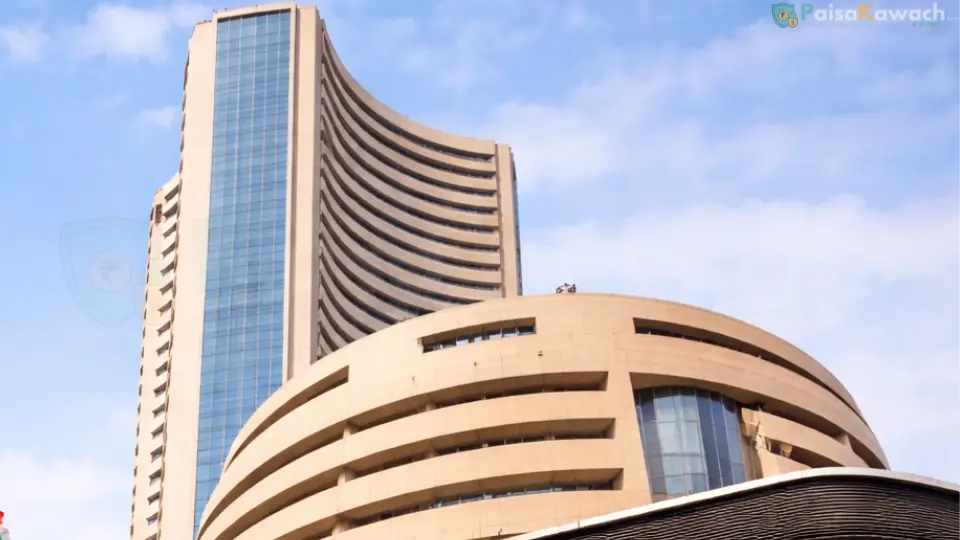 Stock Market Holiday Today: BSE and NSE Remain Closed on Account of Holi
Next →
Stock Market Holiday Today: BSE and NSE Remain Closed on Account of Holi
Next →
 Indian Rupee Hits All-Time Low of 92.30 Against US Dollar as Middle East War Fuels Oil Shock — RBI Steps In
Comments
No comments yet. Be the first to comment!