Oil Prices Surge as Middle East Tensions Raise Fresh Supply Concerns in Global Markets

Geopolitical Risk Returns to the Oil Market
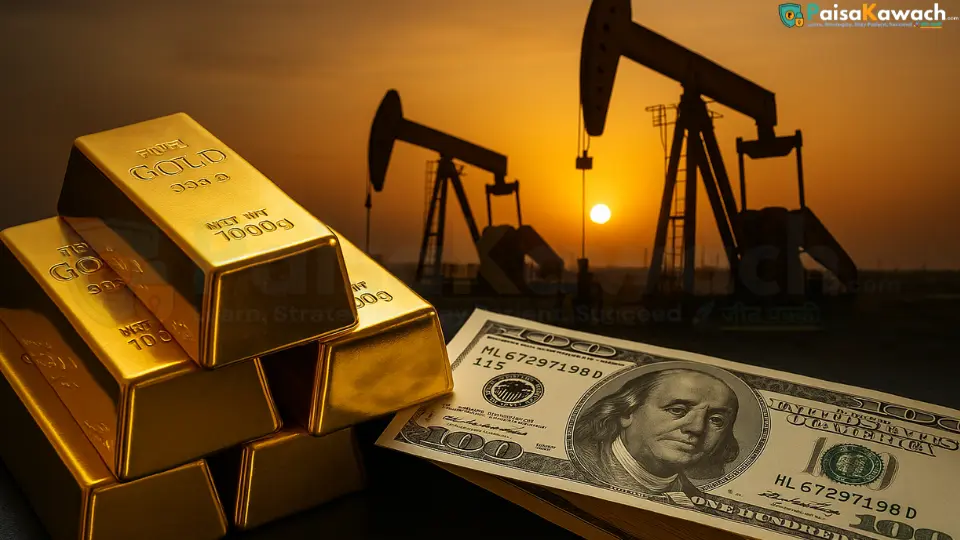
Global oil markets have moved sharply higher as geopolitical tensions in the Middle East once again take center stage. Crude oil prices surged after traders reassessed supply risks linked to diplomatic strain between the United States and Iran, alongside broader concerns over potential disruptions to Middle Eastern oil output.
Brent and WTI crude futures registered notable gains, highlighting how sensitive energy markets remain to geopolitical developments in one of the world’s most critical oil-producing regions.
Snapshot: Oil Market Developments
- Brent and WTI crude prices jump on supply risk fears
- Middle East tensions heighten uncertainty around output
- U.S. stance on Iran adds to geopolitical pressure
- Inflation and transport costs back in focus globally
Why Middle East Tensions Matter for Oil
The Middle East accounts for a significant share of global crude production and exports. Any threat — real or perceived — to supply routes, production facilities, or diplomatic stability in the region tends to push oil prices higher as markets price in a risk premium.
Recent developments involving Iran have renewed concerns about sanctions enforcement, shipping security, and potential retaliation risks, all of which can disrupt global supply chains.
According to Reuters, oil traders are increasingly factoring geopolitical risk into pricing as uncertainty around Middle East supply routes and diplomatic outcomes persists.
Global Economic Impact of Rising Oil Prices
Higher crude prices tend to ripple through the global economy. Energy costs directly affect transportation, manufacturing, and logistics, while also influencing inflation trends across both developed and emerging markets.
For businesses, rising fuel costs can compress profit margins, particularly in sectors such as aviation, shipping, chemicals, and consumer goods. Central banks may also face added pressure if energy-driven inflation accelerates.
What This Means for Markets and Policymakers
Equity markets often react cautiously to sharp oil price spikes, especially when driven by geopolitical risk rather than demand growth. Bond yields, currency movements, and inflation expectations may also shift as investors reassess macroeconomic conditions.
Governments and policymakers will closely monitor energy prices, as sustained increases could impact fiscal balances, subsidy structures, and economic growth projections.
What to Watch Next
Market participants will track diplomatic developments involving the U.S. and Iran, signals from major oil producers, and any indications of supply disruptions in key shipping lanes.
Until geopolitical risks ease, oil prices are likely to remain volatile, with markets responding quickly to headlines and developments from the region.
Keep Reading: More Insights You Might Like
 RBI Eases ECB Norms, Opening Door for Record $100 Billion Overseas Funding for India Inc
Next →
RBI Eases ECB Norms, Opening Door for Record $100 Billion Overseas Funding for India Inc
Next →
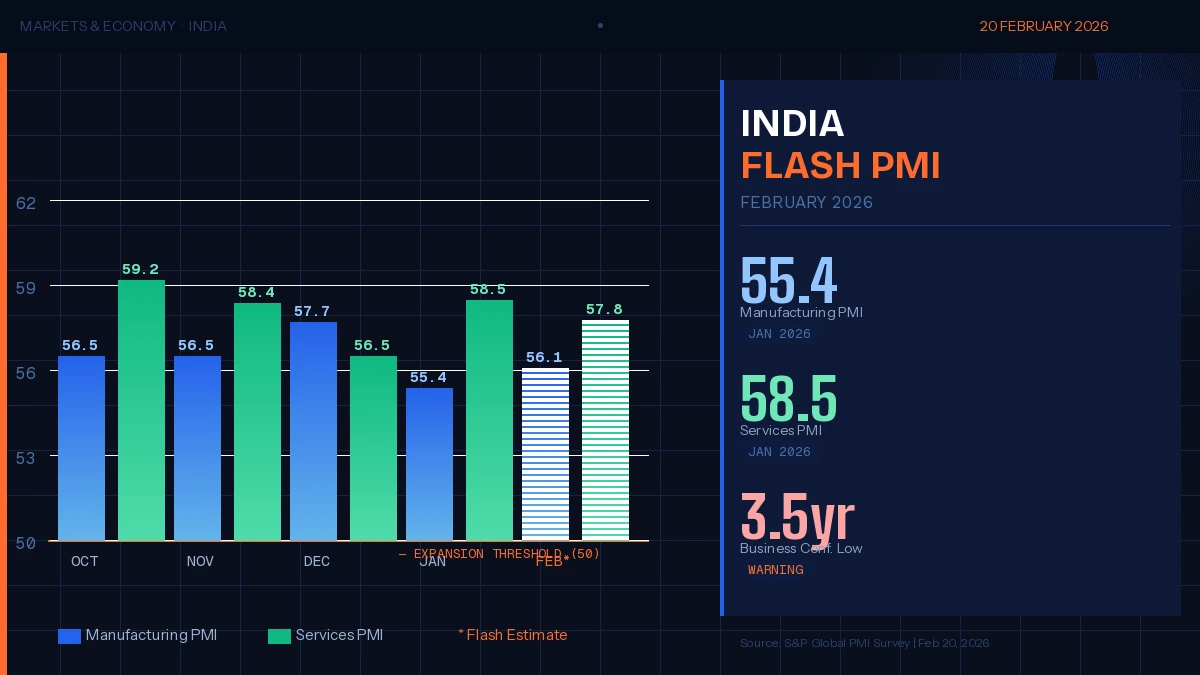 India Flash PMI February 2026 — Is the Growth Momentum Holding or Starting to Slip?
Comments
No comments yet. Be the first to comment!