RBI Eases ECB Norms, Opening Door for Record $100 Billion Overseas Funding for India Inc
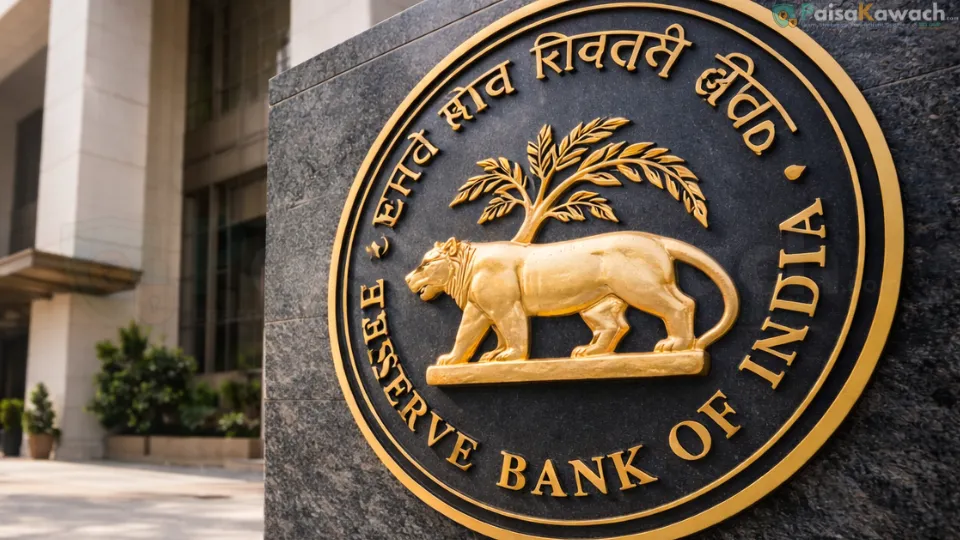
RBI Signals Big Push for Corporate Funding
In a major policy move aimed at supporting growth and investment, the Reserve Bank of India (RBI) has relaxed norms governing External Commercial Borrowings (ECBs). The decision significantly eases access to overseas debt markets for Indian companies, potentially enabling corporates to raise as much as $100 billion in FY 2026–27 — the highest level ever.
The move comes at a time when Indian companies are stepping up capital expenditure plans and global liquidity conditions are gradually improving. By simplifying rules and expanding flexibility, the RBI has sent a strong signal of confidence in India’s corporate and financial stability.
Snapshot: RBI ECB Rule Changes
- ECB norms relaxed to improve overseas funding access
- India Inc may raise up to $100 billion in FY27
- Lower borrowing costs for eligible companies
- Positive boost for capex, refinancing and expansion
Why ECBs Matter for Indian Companies
External Commercial Borrowings allow Indian firms to raise funds from foreign lenders at competitive rates, often lower than domestic borrowing costs. Eased norms can reduce financing expenses, extend repayment flexibility, and diversify funding sources — especially for large projects with long gestation periods.
Sectors such as infrastructure, manufacturing, renewable energy, technology, and export-oriented industries stand to benefit the most from improved access to global capital.
According to Reuters, policy easing around overseas borrowings is expected to strengthen India’s appeal among global lenders and institutional investors seeking exposure to high-growth emerging markets.
Impact on Capex, Growth, and Credit Markets
The ECB relaxation is likely to accelerate corporate capital expenditure by lowering the cost of funding new projects and easing refinancing pressure on existing debt. This can improve balance sheets, support job creation, and drive demand across allied industries.
For credit markets, higher overseas borrowing could ease pressure on domestic banks while deepening India’s integration with global financial markets.
What This Means for the Economy
At a macro level, increased foreign borrowing supports investment-led growth without immediately straining domestic liquidity. It also strengthens India’s positioning in global credit markets, showcasing policy stability and regulatory confidence.
However, policymakers and companies will need to manage currency risk carefully, as external borrowings expose balance sheets to exchange rate volatility.
What to Watch Next
Market participants will closely monitor how quickly companies tap overseas markets and which sectors emerge as the biggest beneficiaries. The impact on bond yields, credit spreads, and corporate investment announcements will provide early signals of the policy’s effectiveness.
For India Inc, the RBI’s move could mark the beginning of a new funding cycle — one that supports long-term growth ambitions across key sectors of the economy.
Keep Reading: More Insights You Might Like
 Strong U.S. Dollar Puts Pressure on Indian Markets as Investors Track Fed Signals
Next →
Strong U.S. Dollar Puts Pressure on Indian Markets as Investors Track Fed Signals
Next →
 Oil Prices Surge as Middle East Tensions Raise Fresh Supply Concerns in Global Markets
Comments
No comments yet. Be the first to comment!