Federal Reserve Cuts Interest Rate by 25 Basis Points Amid Labor Market Concerns
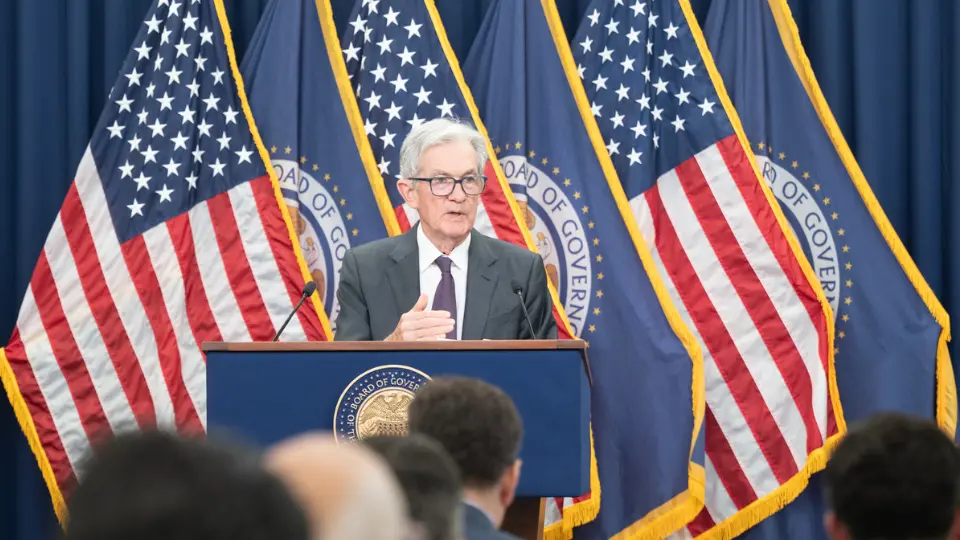
Image By Federalreserve - DSC_8056, Public Domain, Link
Fed Makes First Rate Cut of 2025
The U.S. Federal Reserve lowered its benchmark interest rate by 25 basis points on September 18, marking the first policy easing of the year. The decision follows months of signs that the once resilient American labor market is showing early cracks. For businesses and investors, the move signals a cautious pivot rather than a full-scale return to accommodative monetary policy.
Why the Fed Took Action Now
Throughout much of 2024 and early 2025, the Fed held interest rates steady despite inflation moderating toward its long-term target. However, recent data has pointed to:
- Slowing job creation across several sectors, including manufacturing and retail
- Rising claims for unemployment benefits in key states
- Weaker consumer spending momentum compared to last year
Taken together, these indicators pushed policymakers to provide a modest cushion for the economy without abandoning their vigilance on inflation.
Impact on U.S. and Global Markets
Markets reacted with mixed signals in early trading. U.S. Treasury yields slipped as investors anticipated softer borrowing costs, while equity markets opened higher before paring gains. Global markets—from Europe to Asia—also showed volatility as traders reassessed capital flows and currency dynamics following the Fed’s move.
According to Reuters, Asian indices were split, with some rising on hopes of stronger U.S. demand while others remained subdued amid broader global uncertainty.
What It Means for Businesses and Consumers
For households, the Fed’s rate cut may eventually filter into slightly lower mortgage, auto loan, and credit card rates. However, commercial banks are expected to pass on the benefits cautiously given ongoing inflationary pressures. Businesses reliant on financing—such as construction, retail expansion, and tech startups—may see near-term relief.
Still, economists caution that the rate cut alone is unlikely to reverse labor market weakness if structural challenges—like automation shifts and global supply constraints—continue to weigh on employment.
Powell’s Balancing Act
Jerome Powell’s remarks underscored the fine line the Fed is walking. On one side lies the need to support growth and employment; on the other, the persistent risk that inflation could flare up again if policy loosens too quickly. Powell emphasized that future decisions will remain data-dependent, not pre-committed.
Looking Ahead
The next Fed meeting will be closely scrutinized for signals on whether more cuts are in the pipeline. Investors will also keep an eye on upcoming labor market reports and inflation data. For now, the September decision represents a carefully measured adjustment rather than a dramatic shift in U.S. monetary policy.
Keep Reading: More Insights You Might Like
 Gold Hits Record Highs as Dollar Weakens and Oil Prices Steady Amid Supply Concerns - Global Market Update 17-Sep-25
Next →
Gold Hits Record Highs as Dollar Weakens and Oil Prices Steady Amid Supply Concerns - Global Market Update 17-Sep-25
Next →
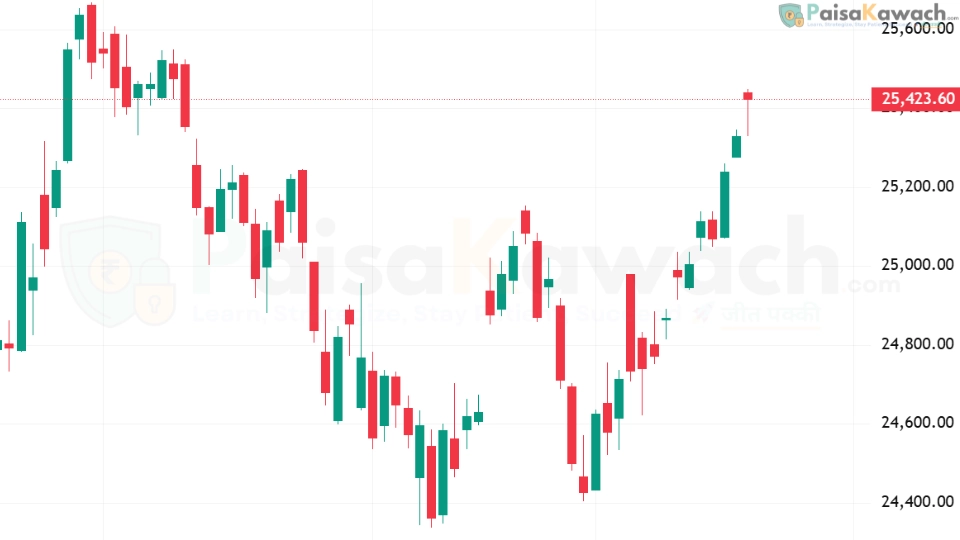 Nifty 50 Today, September 19, 2025: Key Levels and Market Forecast After Closing Above 25,400
Comments
No comments yet. Be the first to comment!