Federal Reserve Policy Signals Reshape Global Markets as Investors Reassess US Interest Rate Outlook
Federal Reserve Policy Remains the Global Market Anchor
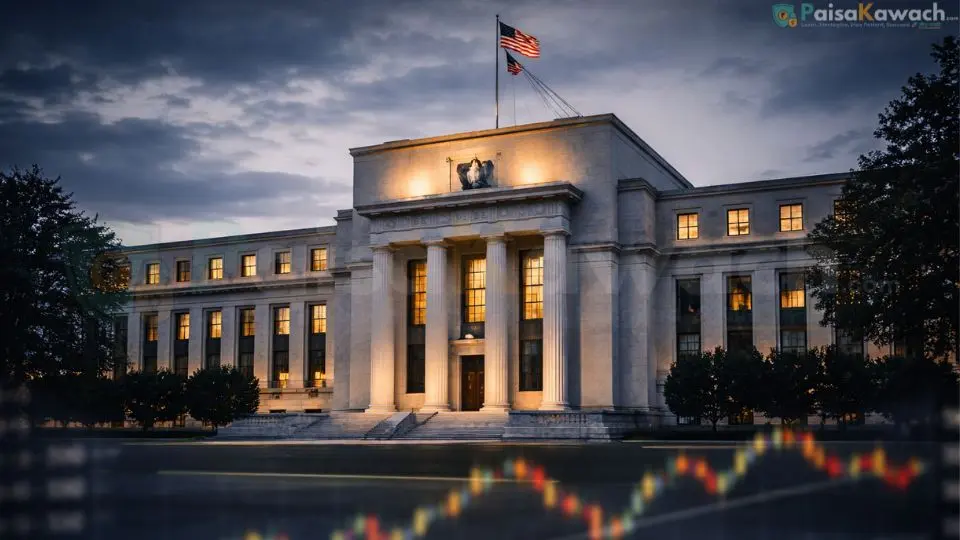
As global markets move through the final trading days of 2025, policy signals from the US central bank continue to dominate international investor sentiment. Even without a fresh interest-rate decision, financial markets worldwide are responding to expectations about the future direction of US monetary policy.
Recent economic data and official commentary have reinforced the view that policy decisions will remain data-driven, keeping investors cautious while positioning portfolios for potential shifts in 2026.
Why US Monetary Policy Influences International Markets
The influence of US monetary policy extends far beyond domestic borders. Because the US dollar plays a central role in global trade and finance, any change in interest-rate expectations directly affects capital flows, borrowing costs, and currency valuations worldwide.
- Higher US interest rates tend to attract global capital into dollar-denominated assets
- Lower rate expectations often support emerging-market currencies and equities
- Global liquidity conditions are closely tied to US policy decisions
Interest-Rate Expectations and Investor Behavior
Markets are currently balancing optimism around eventual rate cuts with concerns that inflation pressures could keep policy restrictive for longer. This uncertainty has encouraged selective risk-taking rather than broad-based rallies.
Investors are increasingly favoring assets with strong fundamentals, stable cash flows, and resilience to higher borrowing costs.
Impact on Global Asset Classes
Equity Markets
Stock markets around the world often take their cue from Wall Street. Expectations of easing US monetary policy generally support equities by lowering financing costs and improving liquidity conditions.
Bond Markets and Capital Flows
US Treasury yields act as a benchmark for global bond markets. Shifts in yields influence government borrowing costs, corporate debt pricing, and cross-border capital movements.
Commodities and the US Dollar
Commodities such as gold and silver are particularly sensitive to interest-rate expectations. Lower US rates tend to weaken the dollar and support precious metals, while tighter policy can limit upside momentum.
What Markets Are Watching Next
As attention turns toward 2026, investors are closely monitoring upcoming economic indicators and official communications that could clarify the policy outlook.
- Inflation and employment data from the United States
- Future policy meeting minutes and guidance
- Signals on balance-sheet management and liquidity conditions
Global Outlook: Cautious Optimism with Policy in Focus
While hopes of future policy easing are supporting market sentiment, uncertainty over timing continues to keep volatility elevated. Until clearer signals emerge, global markets are likely to remain highly responsive to every shift in US monetary guidance.
For international investors, understanding the direction of Federal Reserve policy remains essential for navigating currency movements, capital flows, and global risk appetite.
Keep Reading: More Insights You Might Like
 Gold and Silver Prices in India Today: Safe-Haven Demand Keeps Bullion Firm as Year-End Trading Thins
Next →
Gold and Silver Prices in India Today: Safe-Haven Demand Keeps Bullion Firm as Year-End Trading Thins
Next →
 Coforge Acquires US-Based Encora in $2.35 Billion Deal, Strengthening Global IT Services Footprint
Comments
No comments yet. Be the first to comment!