U.S. Growth Momentum Hits 3-Year High as India–U.S. Tariff Tensions Escalate
In a major boost to economic confidence, the United States recorded its strongest business activity in more than three years this August. According to recent PMI surveys, the U.S. Composite Purchasing Managers’ Index (PMI) rose to 55.4, a level not seen since mid-2022.
The growth was led by a strong rebound in the manufacturing sector, which climbed to a PMI reading of 53.3—its highest in over two years. The services sector also remained resilient, maintaining a robust 55.4 despite minor easing.
What’s Driving the Momentum?
- Increased new orders from both domestic and international markets
- Resilient consumer spending despite inflationary pressures
- Employment growth across both manufacturing and services
- Improved business confidence ahead of expected monetary easing
However, inflation remains a concern. The output price index climbed to a three-year high of 59.3, highlighting that businesses are passing higher input costs to consumers.
India–U.S. Trade Tensions: Tariff Clash Escalates
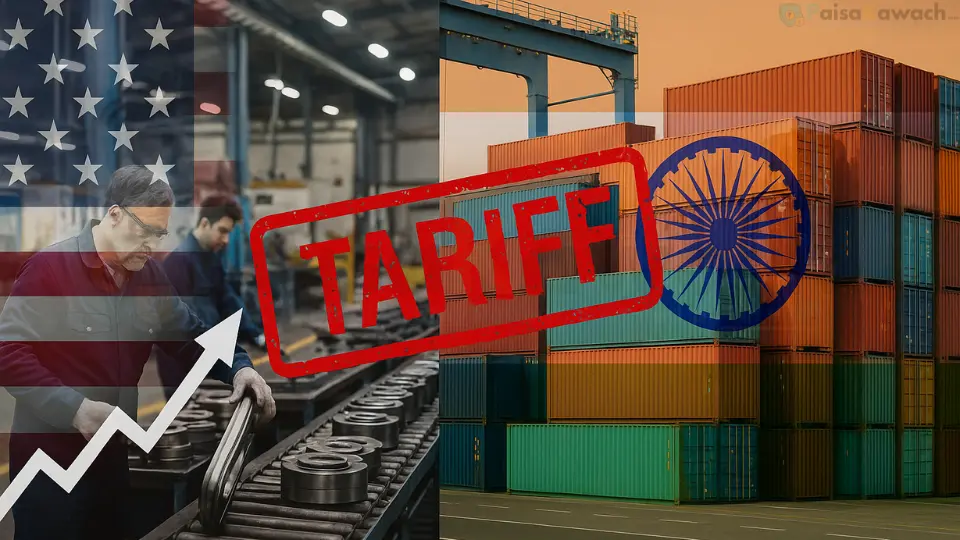
While U.S. domestic activity strengthens, trade relations with India are under fresh strain. Negotiations between the two nations are ongoing, but a new wave of tariffs is set to take effect on August 27, potentially raising duties on Indian goods to 50%.
This move follows an earlier 25% tariff imposed by Washington, and together, the higher duties could shave 0.8 percentage points off India’s annual GDP growth. Key exports at risk include textiles, pharmaceuticals, and machinery—sectors where India has positioned itself as a global manufacturing hub.
Global Implications of the Tariff War
- Supply Chain Shifts: U.S. firms may diversify sourcing away from India, increasing reliance on Southeast Asia.
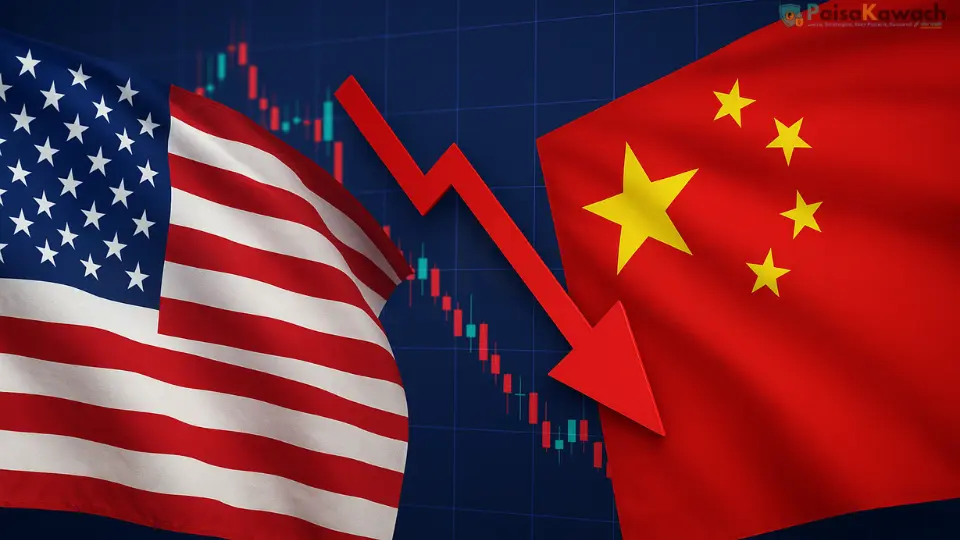
- India’s Strategic Moves: The tariff escalation could accelerate India’s closer alignment with China and Russia, as seen in recent economic discussions.
- Consumer Costs: U.S. buyers may face higher prices on imported goods, especially in pharmaceuticals and apparel.
Markets Brace for Uncertainty
The twin developments—surging U.S. activity and rising U.S.–India trade tensions—create a complex outlook for global markets. Investors remain optimistic about American growth momentum but cautious about trade disruptions that could spill over into equities, currencies, and commodities.
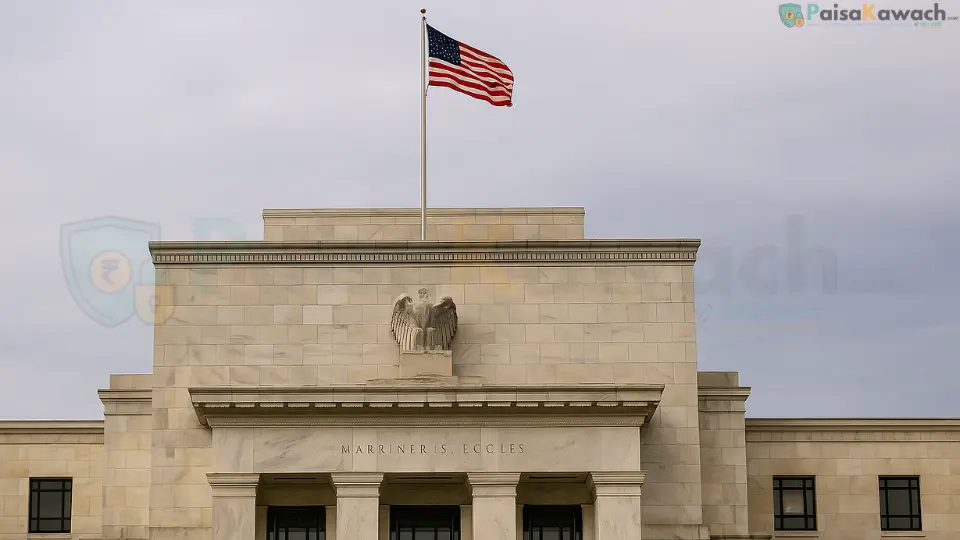
In the short term, markets are closely watching the U.S. Federal Reserve’s next policy moves and the outcome of India–U.S. negotiations. Longer term, the situation could influence the geopolitical balance of global trade, particularly if India leans further toward partnerships with non-Western economic blocs.
Keep Reading: More Insights You Might Like
 India–China–Russia Axis Emerging as a $54 Trillion Economic Powerhouse
Next →
India–China–Russia Axis Emerging as a $54 Trillion Economic Powerhouse
Next →
 Nifty 50 and Sensex Forecast for August 25, 2025: Can Bulls Defend Key Support Levels?
Comments
No comments yet. Be the first to comment!