Worldwide Interest-Rate Tightening: Why Higher Rates Matter to India and the Global Economy

Choose your reading mode: If you only have two minutes, read the “Quick Read” section and its three key points. For a complete understanding, continue to the sections explaining how interest rates affect the global economy and why India is particularly exposed.
Quick Read: What Is Happening to Interest Rates?
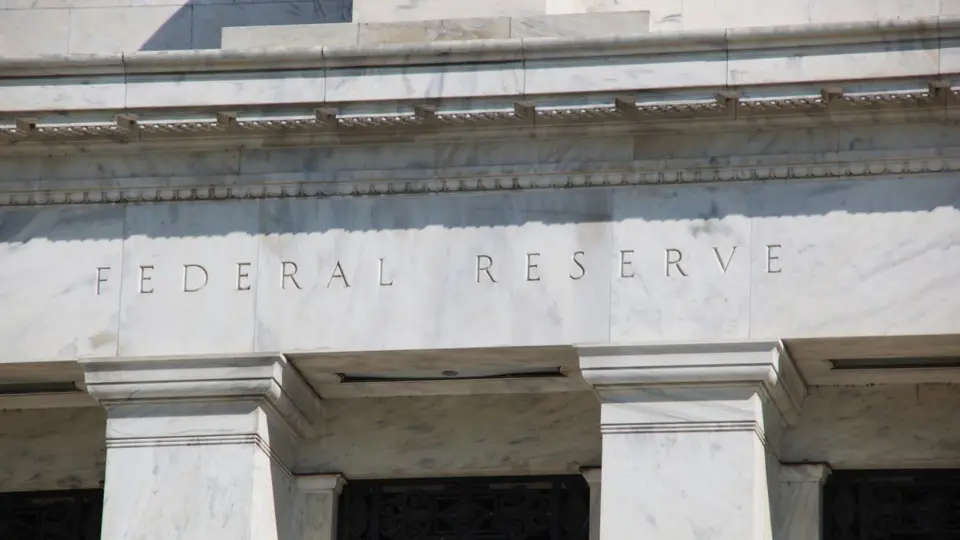
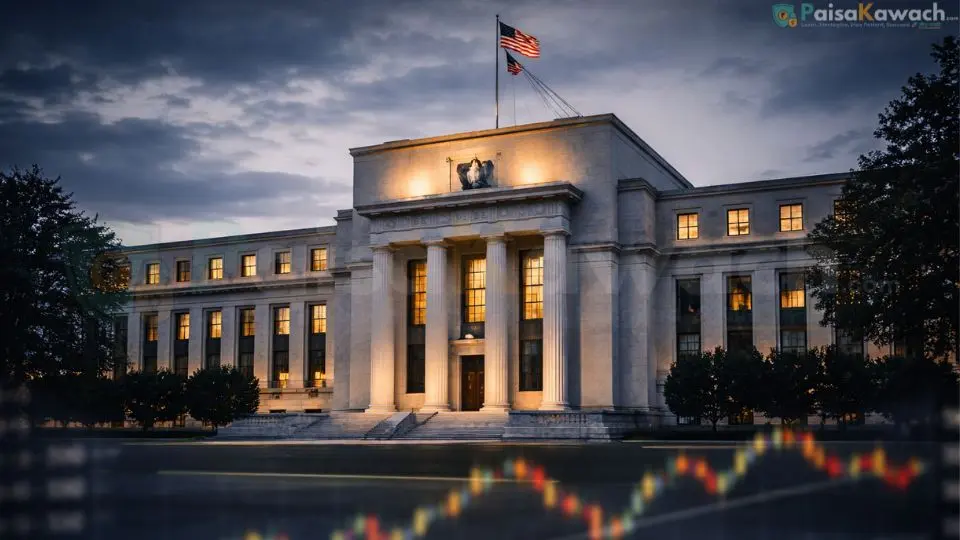
Interest rates are rising—or remaining higher for longer—across several major economies. Central banks are responding to persistent inflation, expensive energy and stronger-than-expected consumer demand. The US Federal Reserve and European Central Bank have recently tightened monetary policy, while the Bank of Japan has lifted its policy rate to 1.25%, its highest level in approximately 31 years. Financial markets are also pricing in a meaningful possibility of another Federal Reserve rate increase in October.
This matters because the interest rate established by a central bank influences the cost of money throughout an economy. When the policy rate increases, commercial banks generally charge more for mortgages, business loans, vehicle financing and credit-card balances. Governments must offer higher yields when issuing debt, while investors become more selective about financing companies and emerging markets.
The objective is to slow demand sufficiently to control inflation. However, central banks face a difficult balancing act. Rates that remain too low can allow prices to rise rapidly, reducing household purchasing power. Rates that stay too high for too long can weaken investment, employment, housing activity and economic growth. The danger is especially serious when inflation comes from an external supply shock, such as an energy disruption, because higher rates cannot directly produce more crude oil or reopen a blocked shipping route.
The Three Things Lazy Readers Need to Know
Worldwide monetary tightening is not merely a story about central-bank meetings. It affects monthly loan payments, employment decisions, currency values, government budgets and stock-market valuations. Its impact can move from New York or Frankfurt to Mumbai within minutes through currency and bond markets.
- Borrowing becomes more expensive: Households, companies and governments must pay more interest, leaving less money available for consumption, hiring and investment.
- Emerging markets face capital pressure: Higher US yields can attract international money toward dollar assets and away from countries such as India.
- India faces a double challenge: Expensive imported oil can increase inflation while high global interest rates put pressure on the rupee and domestic borrowing costs.
How Higher Interest Rates Travel Through the Global Economy
To understand the global impact, imagine that investors can choose between a relatively safe US government bond offering an attractive yield and a riskier asset in an emerging economy. If the return available in the United States rises, the emerging-market investment must offer a greater potential reward to remain competitive. Investors may consequently sell emerging-market shares or bonds and move money into dollar-denominated assets.
This movement can strengthen the US dollar and weaken other currencies. A weaker local currency then makes imports priced in dollars more expensive. Crude oil, natural gas and numerous internationally traded commodities are commonly priced in dollars, so currency depreciation can create additional inflation even when the underlying dollar price of a commodity remains unchanged.
Companies feel the effect through several channels. Businesses refinancing old debt encounter higher interest expenses. Property developers and infrastructure companies can face particular pressure because they regularly depend on large, long-term loans. Technology companies and other growth-oriented businesses may also experience lower market valuations because a greater portion of their expected profits lies several years in the future. When interest rates rise, investors assign a lower present value to those distant earnings.
Banks can initially benefit from charging higher interest rates on loans. However, the advantage can disappear if borrowers struggle to make repayments or if demand for new credit declines. Higher rates can therefore improve bank margins in the short term while increasing credit risk over a longer period.
Governments are affected as well. When existing debt matures, it may need to be replaced with more expensive borrowing. Larger interest payments consume revenue that could otherwise support healthcare, education, infrastructure or social programmes. Highly indebted countries are particularly vulnerable because even a modest increase in financing costs can significantly expand their budget deficits.
Global growth may consequently slow. Consumers postpone major purchases, companies reduce expansion plans and governments have less fiscal flexibility. The World Bank has already identified the Middle East-driven rise in energy costs as a major risk to the 2026 global outlook. Additional monetary tightening could deepen that slowdown by suppressing demand at the same time that expensive energy is increasing production and transportation costs.
Interactive Check: Who Wins and Who Loses?
Consider which description matches your situation. A saver with a bank deposit may receive a better return, provided the interest earned exceeds inflation. A household planning to take a floating-rate home loan may face a larger monthly payment. A company with substantial debt may experience pressure on profits, while a cash-rich company could earn more from short-term investments. Investors should therefore look beyond the headline rate and examine debt levels, refinancing schedules, pricing power and exposure to imported inputs.
- Potential beneficiaries: Depositors, money-market funds, cash-rich companies and banks with strong borrowers can benefit from higher yields.
- Most exposed: Highly indebted households, property developers, leveraged companies and governments refinancing large amounts of debt face greater costs.
- Market sensitivity: Long-duration bonds, speculative assets and richly valued growth shares generally react more strongly to changing rate expectations.
Why Global Rate Tightening Matters More to India
India enters this period with important strengths, including comparatively rapid economic growth, substantial foreign-exchange reserves, a large domestic market and strong investment in manufacturing and infrastructure. Nevertheless, the country remains highly sensitive to the combination of expensive energy and tight global financial conditions.
The first vulnerability is crude oil. India is one of the world’s largest oil importers, and international crude is primarily priced in US dollars. When oil prices rise, India must spend more foreign currency for the same quantity of energy. If the rupee weakens simultaneously, the effective cost in rupees increases further. This can widen the current-account deficit, raise transportation and production expenses, and eventually affect consumer prices.
Elevated fuel costs do not remain confined to petrol pumps. Diesel influences freight and agricultural expenses. Aviation fuel affects airline fares. Petrochemicals are used in plastics, packaging, paints, textiles, fertilisers and numerous manufactured products. A prolonged energy shock can therefore spread through the economy even when the government or fuel retailers initially absorb part of the increase.
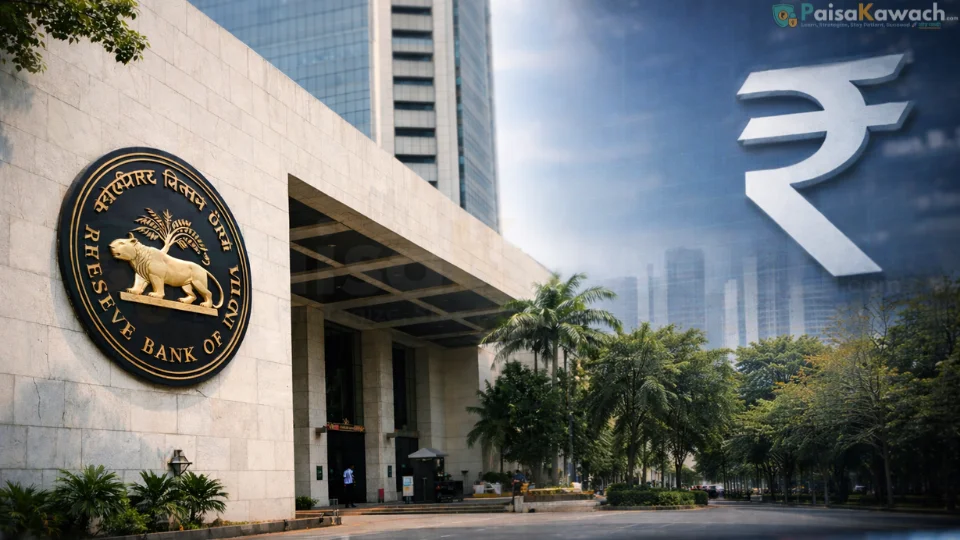
The second vulnerability is foreign capital. When US yields rise, international investors may reduce exposure to Indian equities and bonds. Such outflows can weaken the rupee and make overseas borrowing more expensive for Indian businesses. The Reserve Bank of India may intervene in currency markets, adjust domestic liquidity or maintain higher rates to protect financial stability and prevent imported inflation from becoming entrenched.
India’s benchmark 10-year government-bond yield has recently remained around 7%, following several consecutive weeks of increases. Higher sovereign yields matter because government debt acts as a reference point for many other borrowing costs. If the government must pay more to raise funds, companies, state authorities and households frequently face higher financing costs as well.
The consequences will not be equal across Indian sectors. Information-technology exporters and pharmaceutical companies earn significant revenue in foreign currencies, so a weaker rupee can support their reported earnings. Export-oriented manufacturers may also become more competitive. However, companies relying heavily on imported fuel, machinery, electronics or raw materials can experience margin pressure unless they can pass higher costs to customers.
Banks and financial companies require more nuanced analysis. A higher-rate environment may improve lending spreads, but slower credit demand and rising repayment stress can eventually offset that benefit. Housing finance, automobiles, real estate and small businesses are especially sensitive to monthly borrowing costs. Companies with strong balance sheets and manageable debt are generally better positioned than firms dependent on continuous refinancing.
India Scenario Guide: What Should Readers Watch Next?
Readers can follow three possible paths. In a positive scenario, energy supplies improve, crude prices fall and global inflation moderates. Central banks would then have greater freedom to pause or eventually reduce rates, supporting the rupee, Indian bonds and rate-sensitive shares.
In a middle scenario, crude prices remain elevated but stable while central banks keep rates high without delivering aggressive additional increases. India could continue growing, although consumers and businesses would face expensive credit and selective market volatility. Exporters and financially strong companies would probably perform better than heavily indebted businesses.
In the risk scenario, a serious energy disruption pushes oil prices higher while the Federal Reserve continues raising rates. India could then experience a weaker rupee, foreign-investor outflows, higher inflation and greater pressure on the RBI to tighten policy. Airlines, logistics providers, paint manufacturers, chemical companies and other energy-intensive businesses would face greater risk.
- Watch crude oil and the rupee together: Rising oil combined with a weakening rupee represents the most difficult inflationary combination for India.
- Track bond yields, not just stock indices: Indian and US government yields provide important signals about future loan costs and international capital flows.
- Examine company balance sheets: Businesses with low debt, reliable cash flow and strong pricing power are generally more resilient when financing and input costs increase.
The central message is that worldwide interest-rate tightening connects household budgets, international conflicts, energy markets and investment decisions. A rate decision in Washington, Frankfurt or Tokyo can influence the value of the rupee, the cost of an Indian home loan and the valuation of a company listed in Mumbai.
India remains one of the world’s stronger major growth economies, but resilience does not mean immunity. The country’s large domestic market and foreign-exchange buffers can soften external shocks, while expensive imported energy and mobile foreign capital remain important pressure points. For lazy readers, the conclusion is simple: higher global rates mean costlier money. For deep readers, the decisive question is whether inflation falls before expensive credit causes a substantial slowdown.
Keep Reading: More Insights You Might Like

Comments
No comments yet. Be the first to comment!