India and China Call Themselves Partners, Not Rivals, as Modi and Xi Reset Ties at SCO Summit

Image Credit: PIB
At the Shanghai Cooperation Organisation (SCO) summit in Tianjin, Indian Prime Minister Narendra Modi and Chinese President Xi Jinping delivered a message that surprised many observers. Far from emphasizing rivalry, the two leaders declared that India and China are “development partners, not competitors.” Their discussions centered on opportunities to deepen economic engagement, stabilize bilateral ties, and ease longstanding frictions.
Economic Priorities Take Center Stage
A key highlight of the dialogue was trade. India continues to grapple with a massive USD 99.2 billion trade deficit with China. Modi underscored the importance of addressing this imbalance by expanding Indian exports into Chinese markets, while Xi emphasized the mutual benefits of diversified trade flows.
Both sides signaled willingness to ease restrictions on critical goods and explore new areas of cooperation in technology, infrastructure, and sustainable industries. Lifting export barriers, particularly on raw materials and intermediate goods, was placed firmly on the agenda.
Restoring Connectivity: Flights and Visas
After years of disruption, Modi and Xi agreed to resume direct flights between Indian and Chinese cities. This move is expected to benefit not just business leaders and investors but also students, tourists, and families separated during the pandemic and border tensions.
In tandem, both governments pledged to simplify visa processes, particularly for business and educational travel. Analysts suggest this step could revive people-to-people ties that have been strained in recent years.
Geopolitical Context: Why Now?
The timing of this diplomatic thaw is significant. With the global economy rattled by trade wars, supply chain shocks, and tariff escalations, both India and China are seeking stability and resilience. India’s push to attract foreign investment and China’s focus on sustaining export growth intersect at a moment where cooperation may outweigh competition.
Challenges Still Ahead
Despite the positive signals, significant challenges remain. The border standoff in Ladakh has not been fully resolved, and strategic distrust continues to influence defense and technology policies. Critics also note that while China remains India’s largest trading partner, Indian exports to China have struggled to gain market access in key sectors such as pharmaceuticals and IT services.
Skeptics warn that without concrete measures, promises of partnership may remain symbolic. Reducing the trade deficit will require not just goodwill but actionable market reforms and deeper trust-building mechanisms.
Global Implications
The Modi–Xi engagement is not just a bilateral event; it reverberates across Asia and beyond. Improved ties could:
- Stabilize regional supply chains that depend on both Indian and Chinese industries.
- Boost investor confidence across Asia at a time of heightened global uncertainty.
- Influence the strategic balance in forums such as BRICS, G20, and the SCO itself.
- Shape trade flows for emerging markets that rely heavily on India–China cooperation.
Conclusion: A New Chapter or Another Pause?
The Tianjin summit marked an important rhetorical shift. Modi and Xi’s joint declaration that India and China are partners, not rivals, hints at a pragmatic reset amid global turbulence. Whether this spirit translates into tangible progress—reduced trade imbalances, freer travel, and more balanced investment flows—remains to be seen.
For now, the world is watching as Asia’s two giants explore the possibility of a new chapter in their complex relationship.
Keep Reading: More Insights You Might Like
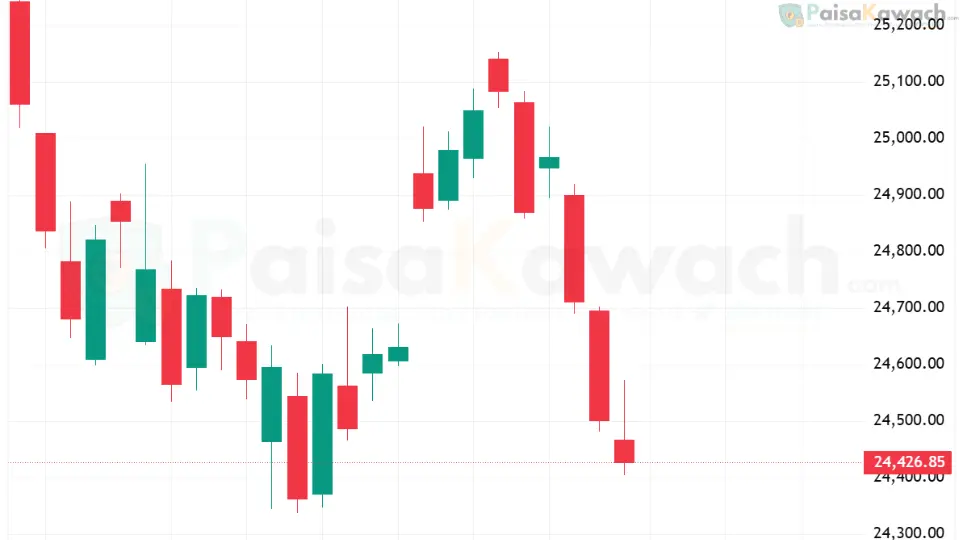 Nifty 50 Outlook: After Three Days of Selling, Can the Market Stabilize?
Next →
Nifty 50 Outlook: After Three Days of Selling, Can the Market Stabilize?
Next →
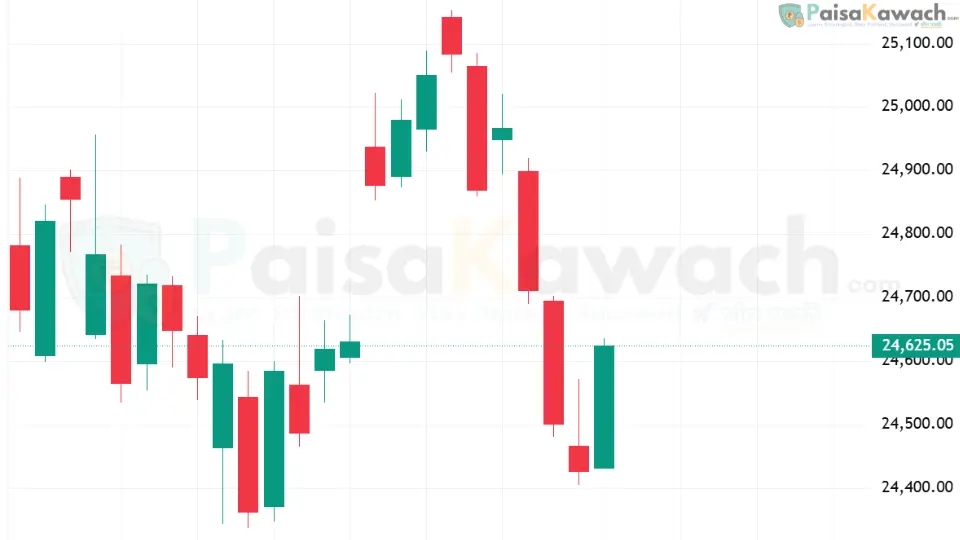 Nifty 50 Forecast Today: Will Bulls Extend Momentum After Strong Rebound on September 2, 2025?
Comments
No comments yet. Be the first to comment!