Oman Replaces the US as India’s Top LNG Supplier: What It Means for Energy Security
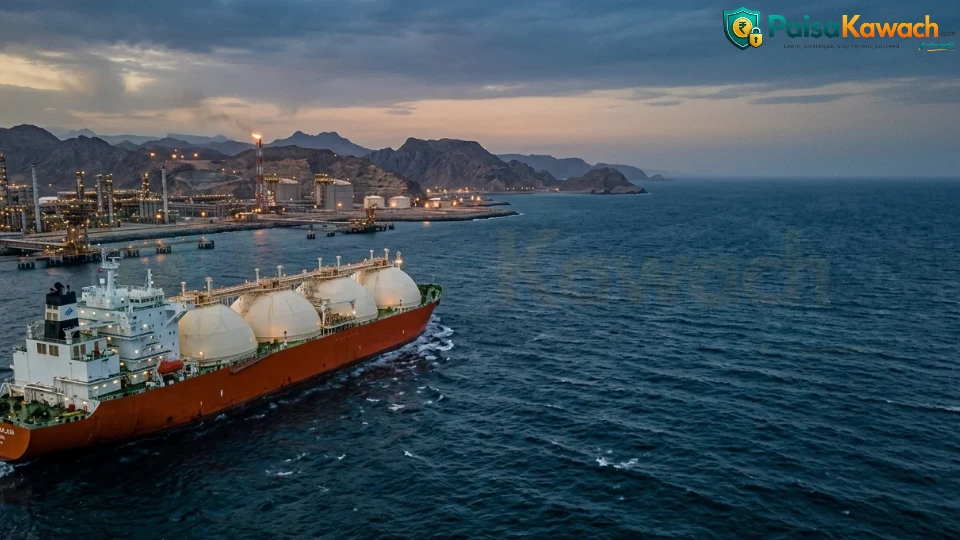
India’s natural gas supply chain is undergoing a significant shift. Oman emerged as India’s largest liquefied natural gas (LNG) supplier in September 2026, overtaking the United States as disruptions linked to the West Asia conflict continued to reshape international energy trade. The change is important for India because natural gas supports fertiliser production, electricity generation, industrial operations and city gas distribution.
According to tanker-tracking data from Kpler cited by Indian media, India imported approximately 585,000 tonnes of LNG from Oman in September, giving the country around 27% of India’s total LNG imports. At the same time, shipments from the United States dropped sharply, falling 60.7% month on month to approximately 340,000 tonnes.
The shift does not necessarily mean India has permanently moved away from American gas. Instead, it shows how quickly international energy suppliers can change when shipping routes become risky, cargoes compete for higher-paying buyers and importers seek alternative sources to protect domestic supplies.
Why Oman Overtook the United States in India’s LNG Market
Several factors contributed to the change in India’s LNG supplier rankings. The ongoing conflict in West Asia has disrupted established energy trade patterns, while uncertainty around shipments through the Strait of Hormuz has encouraged buyers to examine alternative supply routes.
Oman has an important geographical advantage. Its LNG export facilities are located outside the Strait of Hormuz, allowing cargoes from its export terminal to reach international markets without passing through the narrow waterway. This makes Omani LNG an attractive option when shipping through the strait faces security concerns.
The United States, meanwhile, has been dealing with stronger competition for its LNG cargoes. European buyers have sought additional supplies ahead of winter, particularly amid concerns about gas storage levels. When European buyers are willing to pay more for flexible shipments, cargoes that might otherwise reach Asian customers can become less competitive for importers in India.
India has consequently relied on a broader mix of suppliers. The September figures show that energy security is increasingly influenced not only by the availability of gas but also by shipping routes, international prices and competition among major importing regions.
India’s September LNG Import Numbers Explained
The supplier rankings changed considerably between August and September, according to Kpler data reported by Indian publications.
- Oman: Approximately 585,000 tonnes of LNG supplied in September, up 11.6% from August.
- Nigeria: Approximately 351,000 tonnes, placing it second among India’s suppliers.
- United States: Approximately 340,000 tonnes, down 60.7% month on month.
- United Arab Emirates: Approximately 311,000 tonnes, with shipments increasing from August.
- Total Indian LNG imports: Approximately 2.17 million tonnes in September, down around 14% from August.
These figures show that India’s supply network is changing, but they also highlight an important distinction: Oman becoming the largest individual supplier does not mean total gas imports increased. India’s overall LNG imports declined during the month, even as the country continued sourcing cargoes from multiple markets.
Why the Strait of Hormuz Matters to India’s Gas Supply
The Strait of Hormuz is one of the world's most important energy shipping chokepoints. Before the current conflict, it carried a substantial share of global oil and LNG trade, including shipments from major Gulf producers.
India is particularly exposed to disruptions affecting this route because Gulf countries have historically played a major role in supplying its energy requirements. Qatar, previously one of India's most important LNG suppliers, has faced significant export disruptions linked to the regional conflict and damage to energy infrastructure.
When cargoes from established suppliers become uncertain, Indian importers must find alternatives. Supplies from Oman can reduce dependence on shipments that need to pass through the strait, while cargoes from Nigeria, the United States and other producers can provide additional flexibility.
However, diversification cannot eliminate every risk. Alternative cargoes may be more expensive, available volumes can be limited, and international shipping costs can rise when energy markets become unstable. A longer-term improvement in supply security therefore depends on a combination of reliable contracts, diversified exporters, adequate infrastructure and competitive prices.
Could India's LNG Costs Increase?
One of the main challenges for Indian buyers is the cost of replacing disrupted or unavailable supplies. Spot LNG cargoes are purchased at prevailing market prices, which can rise sharply when several countries compete for the same shipments.
Industry analysis cited by OilPrice.com reported that Indian LNG tender award prices increased from approximately $16.80–$18.80 per million British thermal units between March and June 2026 to as much as $26.40 per million British thermal units by September. These figures illustrate the pricing pressure buyers have faced during the supply disruption; they should not be interpreted as a single price applying to every Indian LNG purchase.
Higher LNG procurement costs can create pressure throughout the domestic energy system. Importers may face higher acquisition expenses, while gas-consuming businesses may have to absorb higher fuel costs or adjust their consumption.
The eventual impact on consumers depends on contract terms, domestic pricing rules, taxes, distribution charges and how much of the additional cost is passed through to buyers. A change in the international supplier ranking alone does not automatically translate into an immediate increase in household bills.
What This Means for Fertilisers, Power and Industry
Natural gas is an important input for several sectors of the Indian economy. Fertiliser manufacturers use gas as a key feedstock, while power producers and industrial facilities rely on it for energy. City gas networks also supply compressed natural gas for vehicles and piped natural gas to households and commercial users.
If LNG remains expensive or supply becomes unreliable, gas-intensive industries could face difficult decisions about operating costs and consumption. Fertiliser production is particularly important because disruptions or higher input costs can have wider implications for agricultural supply chains and public spending, depending on how costs are managed.
Power generation can also be affected when gas-fired plants face higher fuel costs or uncertain availability. The effect on electricity prices, however, depends on the role of gas in the relevant market and the availability of alternatives such as coal, hydroelectricity, nuclear power and renewable energy.
For city gas consumers, the effect may be less immediate or uniform because supplies, pricing arrangements and government priorities differ across segments. Essential uses may receive priority when supplies are constrained, while some industrial customers could face tighter allocations or higher prices.
Can Oman Become a Long-Term Alternative to US and Qatari LNG?
Oman’s emergence as India’s leading LNG supplier in September demonstrates the value of having alternative sources available. Its export facilities outside the Strait of Hormuz offer a logistical advantage during periods of disruption affecting traffic through the waterway.
However, one month of import data is not enough to establish a permanent change in India’s energy relationships. Supplier rankings can move quickly because of cargo scheduling, maintenance, contract deliveries, spot-market prices and temporary geopolitical disruptions.
The United States remains an important LNG exporter, while Qatar and other Gulf producers remain relevant to India's long-term energy needs. India is more likely to benefit from a diversified portfolio of suppliers than from relying excessively on any single country.
Long-term contracts can help provide greater predictability, while spot-market purchases offer flexibility when demand or supply changes. The challenge is to balance these arrangements so that India can obtain sufficient gas without becoming overly exposed to sudden price increases or disruptions along a particular route.
What to Watch in the Coming Months
Several indicators will help determine whether September’s shift becomes a lasting feature of India's LNG market.
- Oman’s future shipments: Whether deliveries remain elevated and the country retains its leading position among Indian suppliers.
- US LNG availability: Whether competition from European buyers continues to divert American cargoes away from Asia.
- Qatari exports: Whether production and shipments recover sufficiently to restore a larger share of India's traditional supply.
- Strait of Hormuz security: Whether shipping conditions improve or continue to raise uncertainty and transport costs.
- International LNG prices: Whether importers gain relief from high spot-market prices or face further competition for available cargoes.
- India’s total imports: Whether monthly volumes recover and how changes affect gas availability across industrial and household uses.
These indicators will provide a clearer picture of whether India is moving towards a more resilient gas-import structure or simply adapting to a temporary period of supply disruption.
Conclusion: India’s Energy Security Is Becoming a Supply-Chain Challenge
Oman overtaking the United States as India’s largest LNG supplier in September is more than a change in monthly trade rankings. It demonstrates how geopolitical risks, shipping routes and competition among international buyers can rapidly reshape the sources of energy reaching India.
Oman offers a useful alternative because its LNG export terminal is outside the Strait of Hormuz, while Nigeria, the United States and other suppliers can provide additional options. Yet diversification does not guarantee cheaper gas, especially when international buyers are competing for limited cargoes.
For India, the priority is to maintain reliable energy supplies while managing import costs. The next phase of the LNG market will depend on regional security, the recovery of established suppliers, international prices and the ability of Indian buyers to secure cargoes from a wider range of exporters.
The central lesson is clear: energy security depends not only on how much gas India imports, but also on where that gas comes from, how it reaches the country and what it costs to keep supplies flowing.
Keep Reading: More Insights You Might Like
 Three Global Forces Driving Markets Today: IMF Debt Warning, Saudi Oil Risk and the U.S. CPI Countdown
Next →
Three Global Forces Driving Markets Today: IMF Debt Warning, Saudi Oil Risk and the U.S. CPI Countdown
Next →
 Black Sea Crisis, AI Market Turmoil and US Nuclear Talks: 3 Global Developments Shaping October 16, 2026
Comments
No comments yet. Be the first to comment!